


Microsomes in Drug Metabolism Research
What Are Microsomes?
Microsomes are subcellular vesicles derived from fragments of the endoplasmic reticulum (ER) following tissue or cell homogenization and differential centrifugation. They retain many membrane-bound drug-metabolizing enzymes, including cytochrome P450 (CYP) enzymes, UDP-glucuronosyltransferases (UGTs), flavin-containing monooxygenases (FMOs), and other Phase I and Phase II metabolic enzymes.
Because these enzymes remain functionally active after isolation, microsomes provide a robust in vitro system for studying drug metabolism, pharmacokinetics (PK), and ADME properties. Their high enzyme concentration, reproducibility, and scalability have made microsomes one of the most widely used experimental tools during early drug discovery and preclinical development.
Human microsomes are routinely used to evaluate metabolic stability, identify metabolites, investigate drug–drug interactions, and characterize enzyme-specific metabolic pathways before compounds advance to in vivo studies.
Applications of Microsomes in ADME Research
Microsomal assays support multiple stages of drug metabolism and pharmacokinetic (DMPK) studies.
Metabolic Stability
Human liver microsomes are widely used to determine intrinsic clearance (CLint) by monitoring compound depletion or metabolite formation in the presence of an
NADPH-regenerating system. These data help predict hepatic clearance, half-life, and oral bioavailability while identifying compounds with poor metabolic stability early in development.
CYP Inhibition Studies
Microsomes are a standard platform for evaluating reversible and time-dependent inhibition of cytochrome P450 enzymes. These studies help assess the risk of drug–drug interactions (DDIs) and are routinely performed to support FDA and EMA regulatory requirements.
Metabolite Identification
Microsomal incubations combined with LC-MS/MS analysis enable identification of Phase I metabolites, supporting safety assessment, lead optimization, and toxicology studies.
Reaction Phenotyping
Human liver microsomes and recombinant CYP enzymes are used to determine which CYP isoforms contribute to compound metabolism. Reaction phenotyping provides valuable information for predicting genetic variability, drug interactions, and clinical pharmacokinetics.
Phase II Metabolism
With appropriate cofactors, microsomes also support studies of glucuronidation and other conjugation pathways mediated by UGTs and additional metabolic enzymes.
Microsomal Assay Considerations
Reliable microsomal data depend on carefully optimized experimental conditions. Critical assay parameters include:
- appropriate microsomal protein concentration and incubation time;
- correct cofactor systems for the metabolic pathway under investigation;
- suitable substrate concentrations;
- inclusion of negative controls without cofactors;
- proper storage and handling to preserve enzymatic
Selecting pooled or single-donor microsomes depends on study objectives. Pooled human liver microsomes minimize donor-to-donor variability and are preferred for routine screening, whereas single-donor preparations are valuable for investigating genetic polymorphisms, disease-specific metabolism, or interindividual variability.
Why Microsome Quality Matters
The quality of microsomal preparations has a direct impact on the reproducibility of ADME studies. Variability in donor characteristics, enzyme activity, preparation methods, and storage conditions can significantly influence experimental outcomes.
High-quality microsomes should be characterized by:
- CYP enzyme activity profiling;
- verified protein concentration;
- donor demographic information and traceability;
- stringent quality control to minimize contamination from other cellular
Using well-characterized microsomal preparations improves experimental consistency and facilitates comparison across laboratories.
Microsomes Available for Drug Metabolism Research
Different tissues express distinct complements of drug-metabolizing enzymes, making tissue selection an important consideration when designing ADME studies.
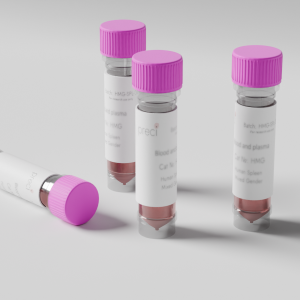
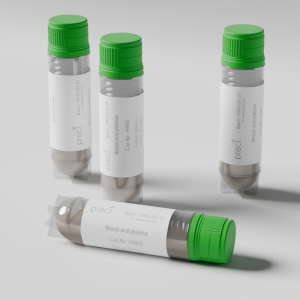
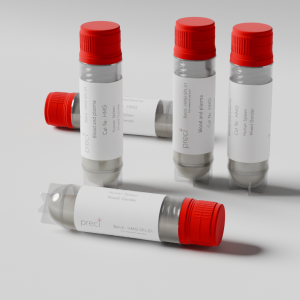
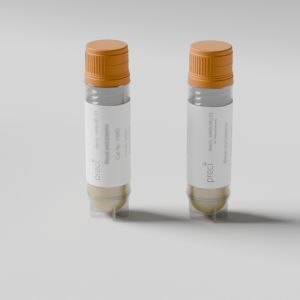
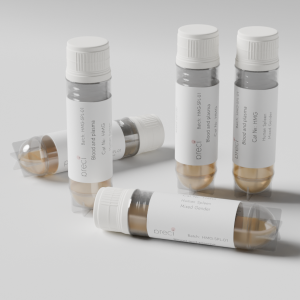
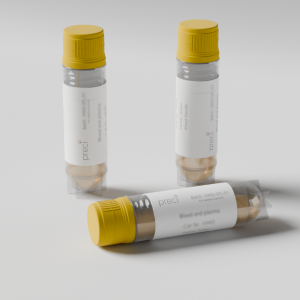
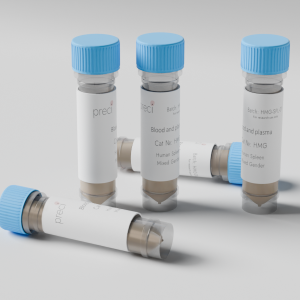
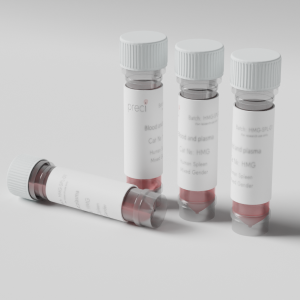
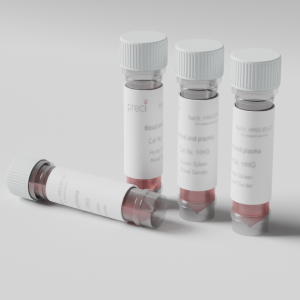
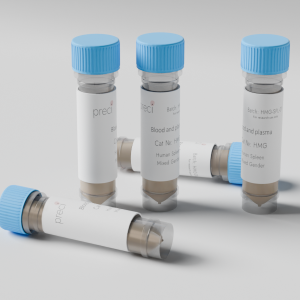
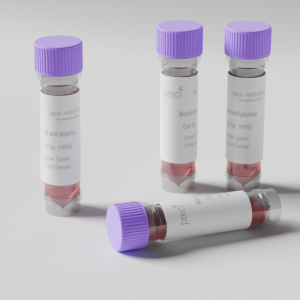
Preci offers microsomes and subcellular fractions prepared from multiple tissue types, including:
- Human liver microsomes
- Lung microsomes
- Kidney microsomes
- Intestinal microsomes
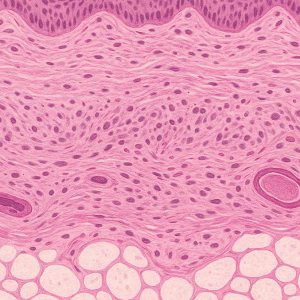
- Skin microsomes
These products support studies ranging from hepatic drug metabolism to tissue-specific toxicity, extrahepatic metabolism, and pharmacokinetic profiling.
Conclusion
Microsomes remain one of the most widely used experimental systems for investigating drug metabolism during preclinical development. Their ability to reproduce key metabolic pathways in a controlled in vitro environment makes them indispensable for metabolic stability testing, CYP inhibition studies, metabolite identification, and reaction phenotyping.
Selecting high-quality, well-characterized microsomes from the appropriate tissue source improves the reliability of ADME data and supports more confident decision-making throughout the drug discovery pipeline.
View all microsomes and subcellular fractions available at Preci to support your ADME and DMPK research.