


Insights & Innovations

Explore the composition of the cardiac extracellular matrix and how disease-associated remodeling contributes to myocardial infarction, heart failure, atherosclerosis, and valvular disease.
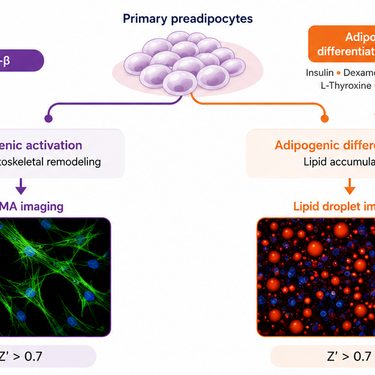
We developed a phenotypic assay using primary human preadipocytes to assess donor-specific adipogenic and fibrogenic responses. By combining imaging-based α-SMA quantification with lipid accumulation readouts, the assay provides a reproducible platform for studying fibrogenic activation and evaluating potential therapeutic interventions.
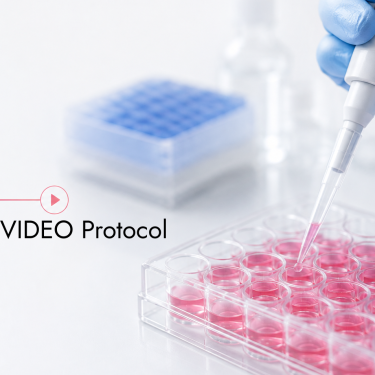
Watch our step-by-step video SOP for thawing cryopreserved primary human hepatocytes and setting up metabolism incubations, from cell counting and standardization to sample quenching and preparation for LC–MS/MS analysis.

Why are HBV infection assays difficult to reproduce? Discover how variability in the viral inoculum affects experimental outcomes and why standardized patient-derived HBV plasma can improve assay reproducibility.
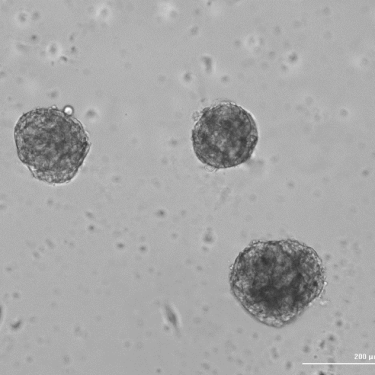
Traditional 2D culture and animal models miss key signals from the extracellular matrix — one reason drugs that work in early testing fail in humans. Here's how human ECM is used in 2D coatings, spheroids, and contraction assays to build more predictive in vitro models for cancer and fibrosis research.
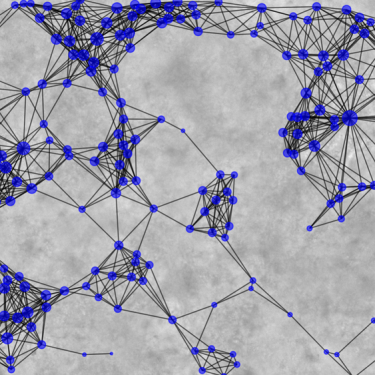
Self-assembling hydrogels gel with nothing but thermodynamics — no cross-linker, no UV. Here's how they work, where they're already used in drug delivery and tissue models, and how a new graph-based imaging method quantifies the network structure behind performance.