


Fibroblast–Immune Cell Interactions in Fibrosis and Tissue Repair
Fibroblasts: More Than Structural Cells
Fibroblasts are the principal cells responsible for maintaining the extracellular matrix (ECM) and preserving tissue architecture. Beyond their structural role, they actively regulate immune responses by sensing inflammatory signals, producing cytokines and chemokines, and communicating with infiltrating immune cells. This fibroblast–immune crosstalk is essential for normal wound healing but also contributes to chronic inflammatory disorders when dysregulated.
In healthy tissue repair, fibroblasts temporarily adopt immunomodulatory functions that limit excessive inflammation and promote tissue regeneration. However, during chronic injury these regulatory mechanisms fail. Activated fibroblasts continue producing ECM proteins and inflammatory mediators, creating a self-sustaining cycle that drives fibrosis.
Because fibroblasts differ between tissues and disease states, modern studies increasingly focus on specific fibroblast subpopulations rather than treating fibroblasts as a single homogeneous cell type. This shift has made primary fibroblast cultures and physiologically relevant tissue models essential tools for fibrosis research.
Fibroblast–Immune Interactions During Fibrosis
Immune Regulation of Fibroblast Activation
Persistent tissue injury triggers immune cell infiltration that promotes fibroblast activation. Macrophages and T lymphocytes are among the dominant immune populations found in fibrotic tissues, where they release cytokines that stimulate fibroblast proliferation, ECM deposition, and differentiation into contractile myofibroblasts.
Type II immune responses are particularly associated with fibrosis. Cytokines such as IL-4 and IL-13 enhance collagen synthesis while reducing matrix degradation, promoting progressive scar formation. Whether these immune responses initiate fibrosis or amplify existing tissue damage depends on the affected organ and disease context.
Cytokine Networks Driving Fibrosis
Fibrosis develops through complex signaling between immune cells and fibroblasts. Early inflammatory cytokines – including IL-1, IL-6, and TNF-α – initiate tissue remodeling, while TGF-β1 remains the central regulator of myofibroblast differentiation and excessive ECM production.
Additional cytokines, including IL-17 and IL-18, further contribute to chronic fibrotic inflammation, particularly in autoimmune diseases. Activated fibroblasts also reinforce disease progression by secreting chemokines such as CXCL12, CCL2, and CCL5, continuously recruiting immune cells into damaged tissue.
As ECM remodeling progresses, matrix fragments function as damage-associated molecular patterns (DAMPs), stimulating innate immune receptors and maintaining chronic inflammation even after the original injury has resolved.
Experimental Models for Fibrosis Research
Traditional two-dimensional fibroblast cultures remain valuable but fail to reproduce the complex architecture of fibrotic tissue. Three-dimensional collagen matrices allow fibroblasts to maintain more physiologically relevant morphology, gene expression, and ECM remodeling activity.
Organoid models further improve physiological relevance by incorporating epithelial and endothelial cells alongside fibroblasts, although they still lack fully functional vascular and immune recruitment systems.
Microfluidic organ-on-chip platforms provide additional advantages by allowing researchers to study fibroblast–immune communication under controlled spatial conditions. These systems are particularly useful for investigating macrophage polarization, cytokine signaling, and paracrine interactions that regulate fibrosis progression.
Although each model offers distinct strengths, none fully replicates the chronic and dynamic microenvironment observed during human fibrotic disease. Selecting the appropriate experimental model therefore depends on the specific biological question being addressed.
Research Tools Supporting Fibrosis Studies
Reliable fibrosis research depends on physiologically relevant experimental systems. Primary fibroblasts isolated from different tissues provide biologically meaningful models for studying fibroblast activation, cytokine signaling, and ECM remodeling under
disease-specific conditions.
ECM proteins, including collagen and fibronectin, are widely used to recreate tissue microenvironments in both conventional culture systems and advanced 3D models. Combined with organoids and microfluidic platforms, these tools enable researchers to investigate fibroblast–immune interactions with increasing physiological accuracy.
Using well-characterized primary cells together with reproducible tissue models improves translational relevance and helps bridge the gap between in vitro studies and human disease.
Conclusion
Fibroblasts are active regulators of immune responses and central drivers of fibrosis progression. Their continuous interaction with macrophages, T cells, and other immune populations creates cytokine feedback loops that sustain ECM remodeling and chronic tissue scarring.
Advances in primary fibroblast cultures, ECM-based systems, 3D tissue models, and organ-on-chip technologies are providing researchers with increasingly sophisticated platforms for studying fibrosis mechanisms. As understanding of fibroblast heterogeneity continues to improve, these models will play an essential role in identifying more selective therapeutic targets while improving translation from experimental research to clinical applications.
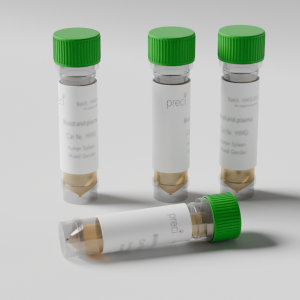
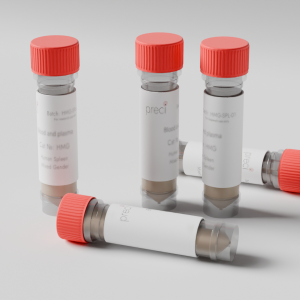
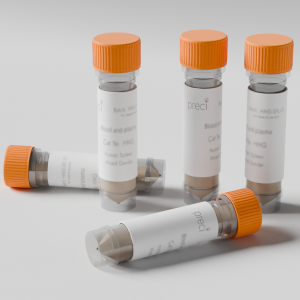
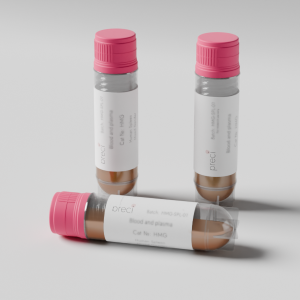
Explore Preci’s portfolio of primary fibroblasts, ECM proteins, and advanced tissue models to support fibrosis and metabolic disease research.