



Primary Human Alveolar Epithelial Cells (AT2)
- 1 mln cells/vial
- >90% viability
- EpCAM-positive >70%
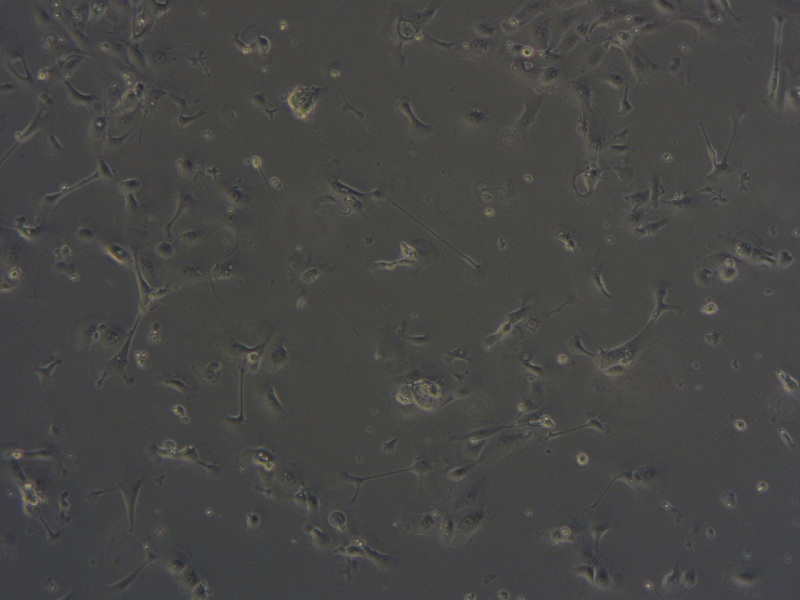
- Adherent cell culture
Primary human alveolar epithelial type II cells (ATII) are isolated from human lung parenchyma and provided in a cryopreserved format to ensure high viability and functional performance after thawing. These cells retain key phenotypic markers such as surfactant proteins (SP-A, SP-B, SP-C) and epithelial markers including EpCAM, making them highly suitable for studies focused on alveolar biology, surfactant production, epithelial regeneration, and host–pathogen interactions in the distal lung.
ATII cells play a critical role as progenitor cells of the alveolar epithelium, with the ability to differentiate into type I alveolar epithelial cells (ATI). They are widely used in in vitro models of respiratory diseases, including acute lung injury (ALI/ARDS), pulmonary fibrosis, viral infections, and inflammatory lung conditions.
Validated for use in 2D and 3D culture systems, including alveolar organoids and air-liquid interface (ALI)-adapted models, primary ATII cells are ideal for drug discovery, toxicology studies, and translational pulmonary research. Donor background customization, including smoking status and disease history, is available upon request to meet specific research requirements.
Related products