


Cardiac tissue
Cardiac tissue is highly sensitive to oxygen and metabolic imbalance, which may lead to endothelial dysfunction, inflammatory activation, fibrosis, and irreversible tissue remodeling. Anoxia and glucose stress strongly disrupt cross-talk between adipocytes, cardiac fibroblasts, and microvascular endothelial cells, inducing oxidative stress, cytokine secretion, vascular permeability changes, and extracellular matrix remodeling. Therefore, incorporation of both stromal and vascular components is highly essential for predictive modelling of cardiac injury and metabolic stress responses. Preci offers cardiac tissue models composed of primary adipocytes, cardiac fibroblasts, and microvascular endothelial cells within physiologically relevant ECM-supported microenvironments, enabling investigation of anoxia-induced injury, glucose stress, inflammatory activation, fibrotic remodeling, and compound-mediated cardiotoxicity in vitro.
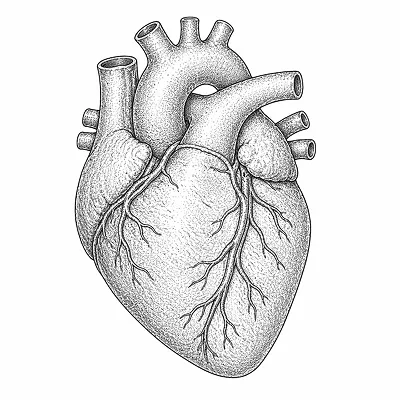
Co-culture cardiac microenvironment organoids
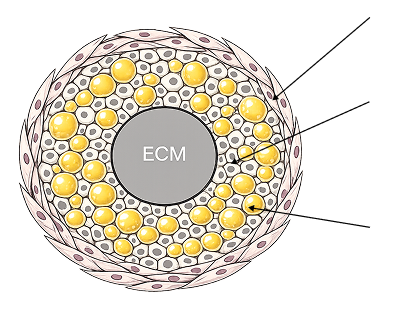
Fibroblasts
Microvascular
endothelial cells
Adipocytes
Complete donor heart microenvironment models
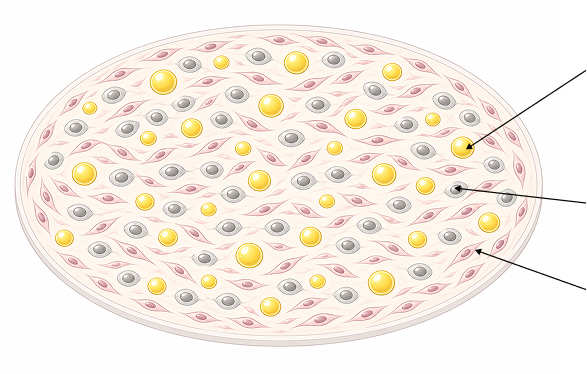
Adipocytes
Microvascular
endothelial cells
Fibroblasts
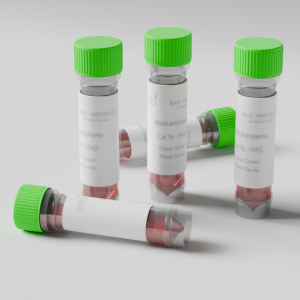
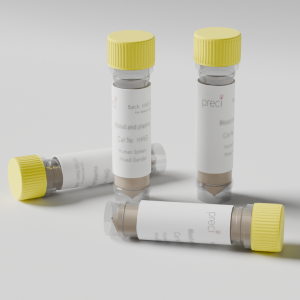
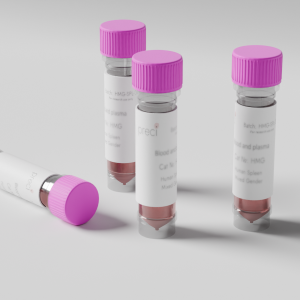
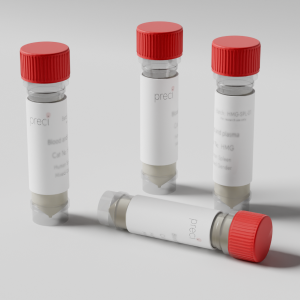
Cardiac tissue modelling set components
Assays validated
- RNAseq and target expression analysis
- Inflammation cytokines sectretion
- T-cell activation
- Cell killing