


Liver tissue regulates highly complex metabolic, inflammatory, and detoxification processes and therefore remains one of the primary targets of compound-induced toxicity. Cross-talk between hepatocytes, stromal fibroblasts, endothelial cells, and immune populations strongly affects metabolic stability, cytokine secretion, extracellular matrix remodeling, and progression of inflammatory injury. Disturbance of hepatic homeostasis may lead to steatosis, fibrosis, cholestatic injury, and irreversible functional decline. Therefore, incorporation of multiple native cellular compartments is highly essential for predictive modelling of liver toxicity and disease progression. Preci offers liver tissue models composed of primary hepatocytes together with stromal, endothelial, and immune components within physiologically relevant ECM-supported microenvironments, enabling investigation of metabolic stress, inflammatory activation, fibrotic remodeling, compound-induced hepatotoxicity, and immune-mediated liver injury in vitro.
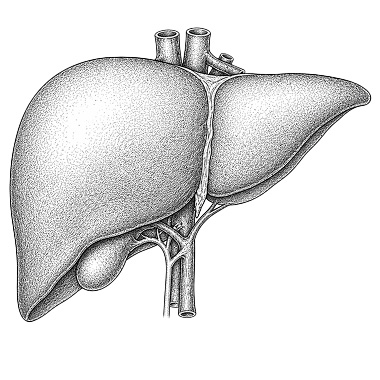
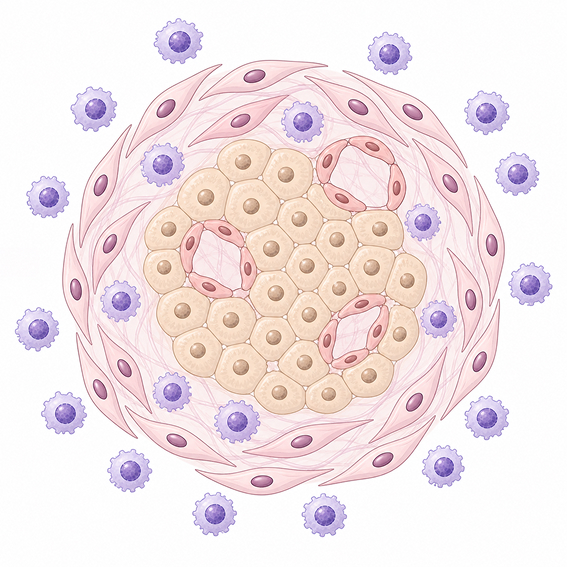
Components which can be incoprorated
Assays validated
- Contraction and solidification of ECM
- Kupffer cells activation
- RNAseq targeting remodelling biomarkers
- Stellate cells transformation
- Hepatocytes death
- pAkt induction
- Albumin secretion
- Glycogen accumulation and depletion