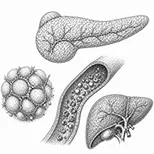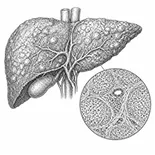


Organoids are the most relevant models in preclinical studies nowadays. At Preci, our goal is to design organ and tissue models that will reveal the physiological microtissues’ complexity and allowing better prediction of the outcome of your in vitro pharmacology experiments.
Our portfolio includes both healthy organ models and disease models covering oncology, metabolic disease, fibrosis, immunology, and drug safety applications.
We offer two families of organoid models:
- Materials qualified for adult stem cells- organoids
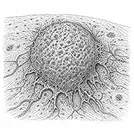
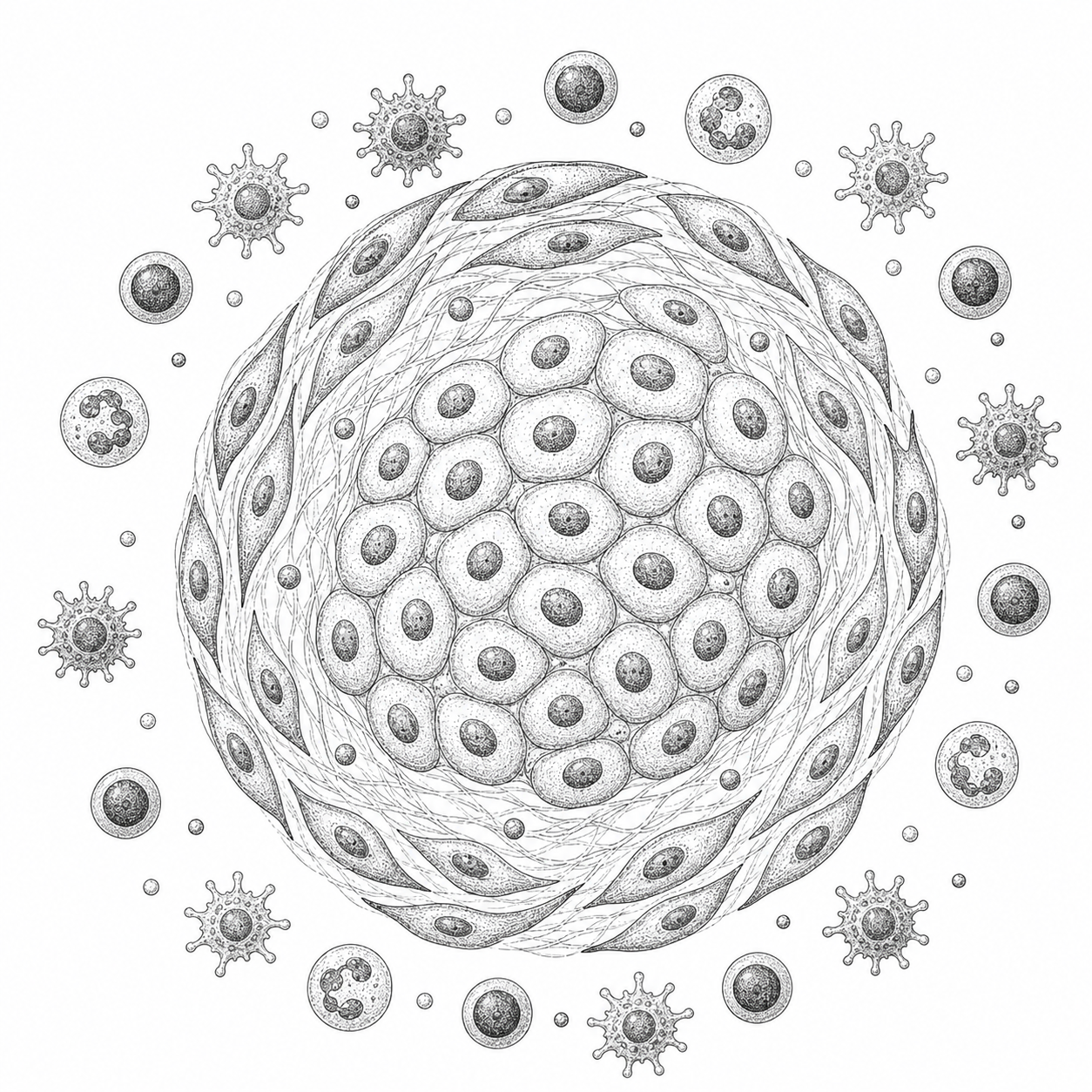
- hECM-embedded organoids incorporate a complete microenvironment of the tissue of origin, including epithelial cells, fibroblasts, extracellular matrix (hECM), and endothelial cells. This model reflects native tissue architecture, including cell–cell and cell–matrix interactions, which can help to better predict safety and efficacy prior to the clinical trials.
From Patient Tissue to a Complete Data Set
3D model
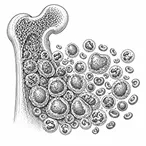
We build the tissue/organoid model from patient-derived biological materials, ensuring the highest possible physiological relevance. Both healthy‑donor and disease‑origin tissues can be used as starting material, enabling matched “healthy vs. disease” models.
We isolate disease-causing cells, supportive stromal components, and tissue-specific extracellular matrix (ECM) and combine to recreate the patient’s disease microenvironment.
Matched samples for deep molecular profiling
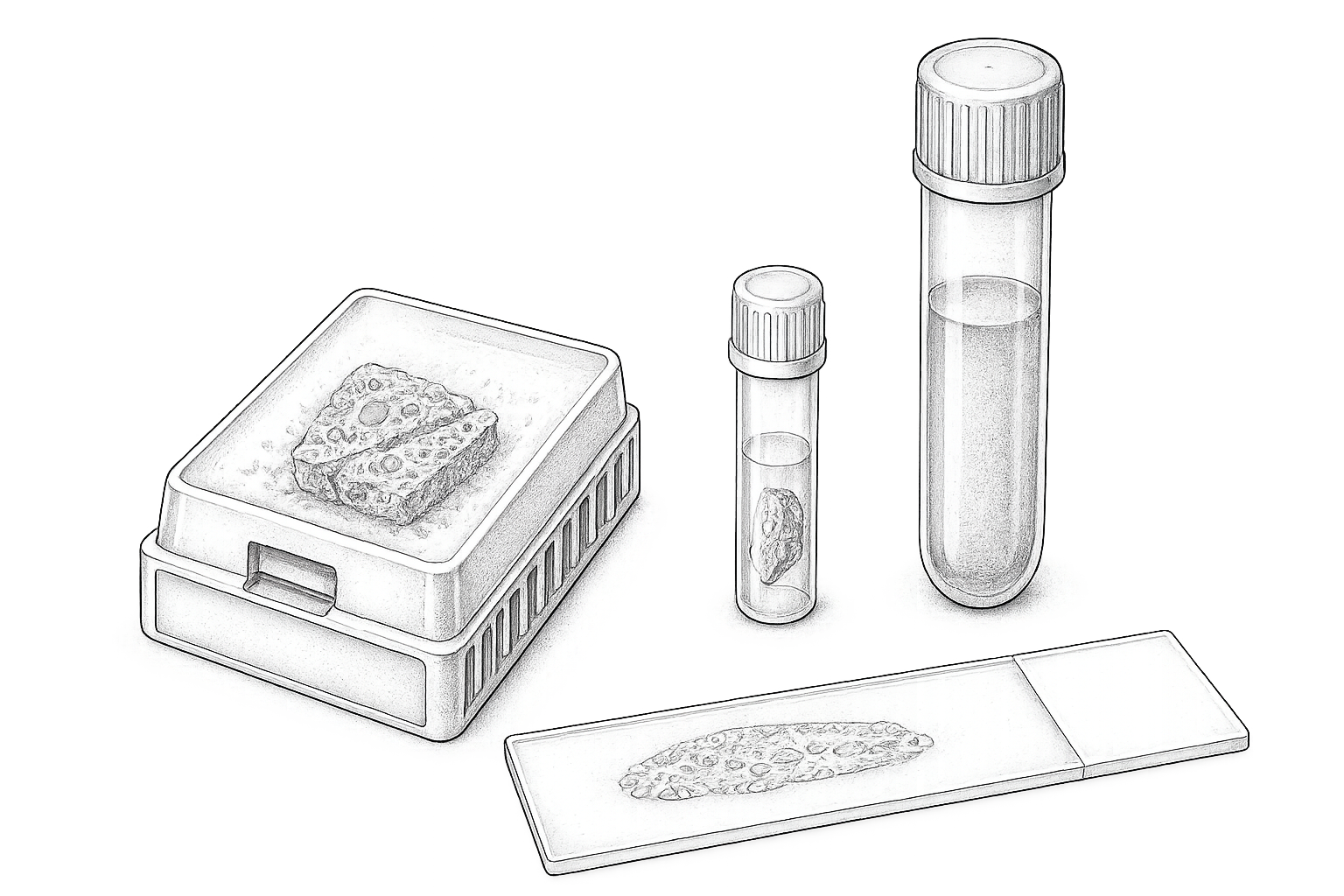
We provide supporting materials, for example FFPE blocks, frozen tissue, and plasma or serum from the same cohort for each model. These samples enable researchers to profile molecular changes across compartments and time, linking what we observe in vitro to what actually happens in patient tissue.
The samples can be used for histopathology, biomarker and target discovery, or retrospective diagnostic work, alinging perfectly with both exploratory studies and regulated workflows.
Multi-omic characterization
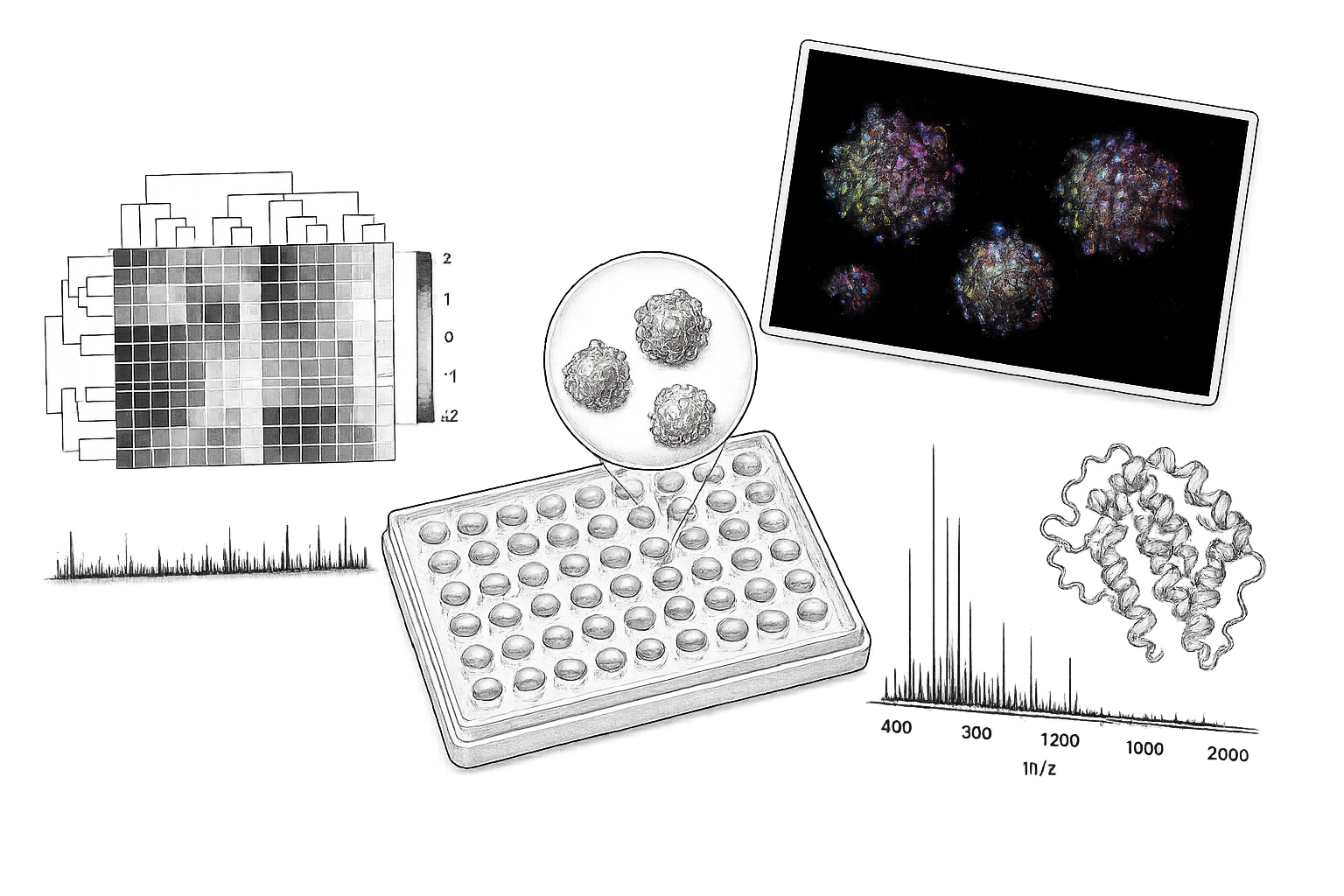
We can support 3D models with RNA sequencing, immunohistochemistry, immunofluorescence, and proteomic assays. For each experimental conditions you will have a detailed molecular profile.
Integrating transcriptomic, protein‑level, and spatial readouts allow us to link functional responses to underlying mechanisms and patient‑specific biology.
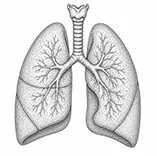
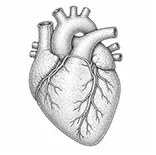
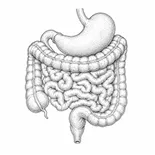
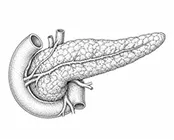
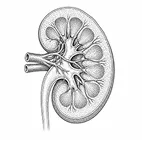
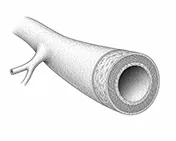
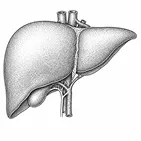
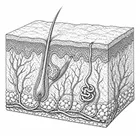
HEALTHY ORGAN MODELS
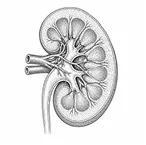
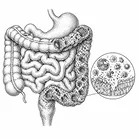
Our healthy organ models are built from primary human cells and organ-specific ECM to capture native tissue physiology for baseline studies, toxicity assessment. Each model can be customized by donor profile and assay format to match your study design.
DISEASE MODELS
Leveraging our clinical biospecimen network, Preci develops disease-specific 3D models from patient donors across oncology, metabolic disorders, fibrosis, and immune-mediated diseases. These models come with access to matched clinical and molecular data, enabling drug-response profiling and biomarker discovery in the target patient population.