


What Are PBMCs?
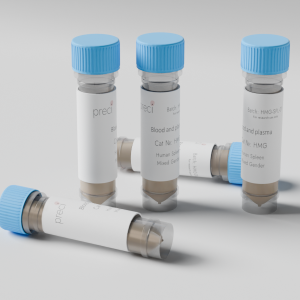
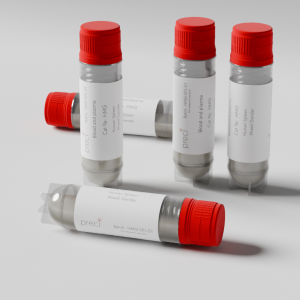
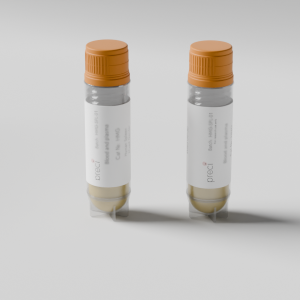
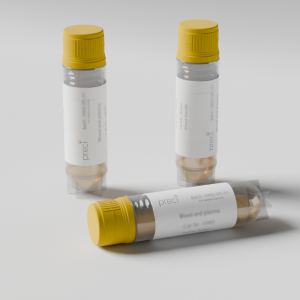
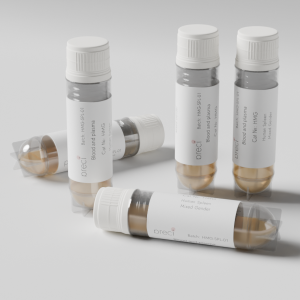
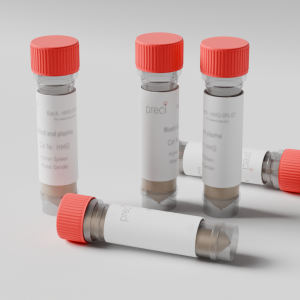
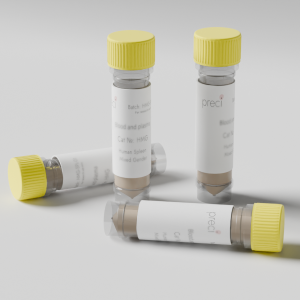
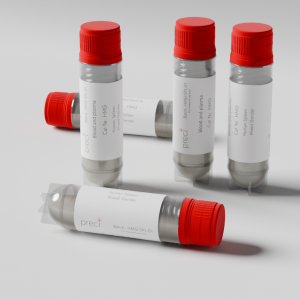
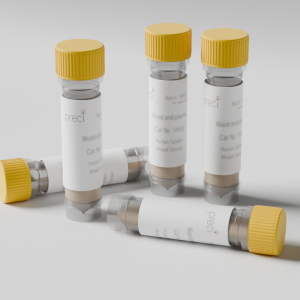
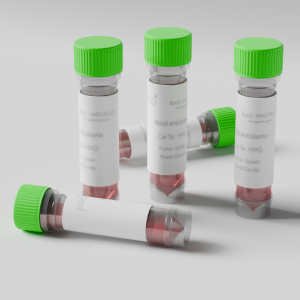
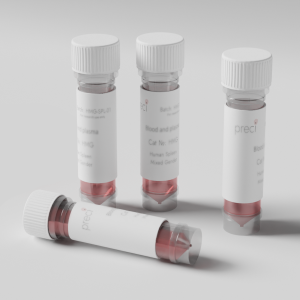
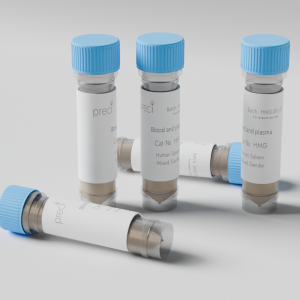
Preci offers research-grade PBMCs from healthy and disease-state donors, providing reliable primary cells for immunology, oncology, infectious disease, and cell therapy research.
Peripheral blood mononuclear cells (PBMCs) are a heterogeneous population of immune cells characterized by a single, round nucleus. They include T cells, B cells, NK cells, monocytes, and a small proportion of dendritic cell precursors. Unlike granulocytes, which have multi-lobed nuclei, or erythrocytes and platelets, which lack nuclei entirely, PBMCs represent the circulating immune cells responsible for coordinating adaptive and innate immune responses.
Derived from hematopoietic stem cells in the bone marrow, PBMCs play essential roles in pathogen recognition, immune regulation, and disease surveillance. Because they can be isolated from peripheral blood using minimally invasive procedures, they have become one of the most widely used primary cell types for in vitro immunology studies.
Where Are PBMCs Used?
PBMCs are fundamental to modern biomedical research and drug development. They are routinely used to evaluate immune cell activation, cytokine production, and cellular responses to therapeutic candidates. Advances in flow cytometry, next-generation sequencing, and multiplex immune profiling have further expanded their value, allowing researchers to characterize rare immune cell populations and monitor donor-specific immune signatures.
Today, PBMCs support a broad range of applications, including CAR-T cell development, immune checkpoint inhibitor research, biomarker discovery, vaccine development, autoimmune disease studies, and personalized medicine. Their ability to reflect the immune status of individual donors makes them particularly valuable for translational and clinical research.
How We Isolate PBMCs at Preci
At Preci, PBMCs are isolated from anticoagulated peripheral blood or buffy coat using density gradient centrifugation. Samples are processed shortly after collection to preserve cell viability and maintain the native distribution of immune cell subsets. Following separation, PBMCs are washed, counted using trypan blue exclusion, and assessed for viability before release.
Every batch is supplied with donor metadata, verified cell counts, and viability data, ensuring researchers receive well-characterized material suitable for reproducible experimental workflows. To support more physiologically relevant models, matched PBMCs, additional primary cells, and extracellular matrix (ECM) from the same donor are also available.
Browse our PBMC portfolio to find healthy and disease-state donor samples for your next research project.